
Reflections on paddling out, flying the flag and finding Hope in community

by Lori Lake
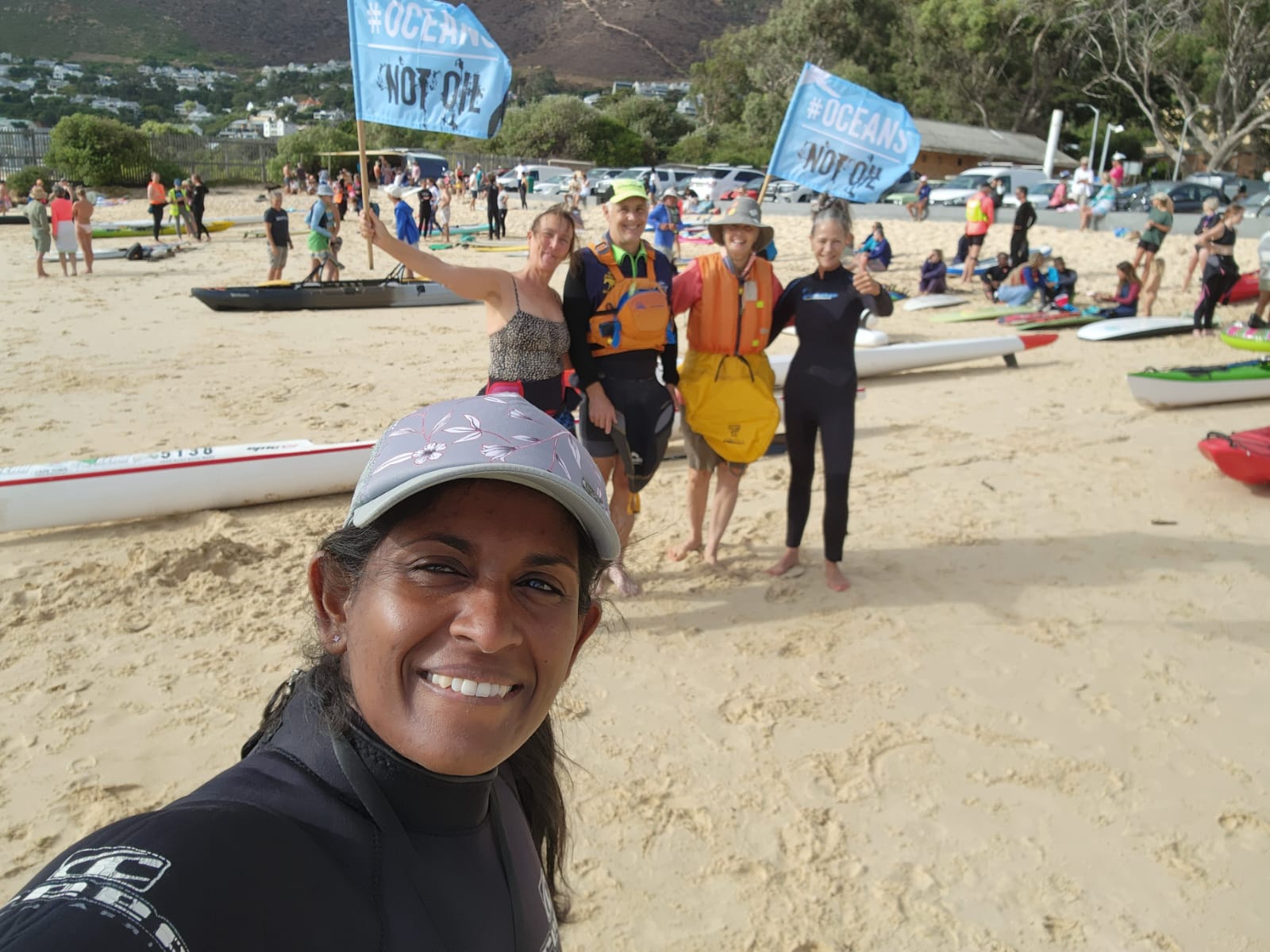
Bright and early on Saturday morning, close to 100 divers, surfers, kayakers, cold water swimmers, marine scientists and ocean activists gathered on long beach in Simons Town ready to paddle out and meet Dr Sylvia Earle, armed with pretty much anything that floats and deep love of the ocean.
The Paddle Out was hosted by Cape RADD and Mission Blue, and we came together as a ocean community to celebrate our love for the ocean and to raise awareness of the incredible biodiversity of the African Sea Forests in False Bay which was designated a Hope Spot in 2014.

For those who haven’t heard of Her Deepness, Dr Sylvia Earle is an extraordinary woman and global champion for marine conservation. She holds the record for deepest walk on the sea floor and is a world-renowned expert on marine biology and National Geographic Explorer. In 1995, she published Sea Change: A Message of the Oceans, a call to action to preserve the Earth’s oceans. Then in 2009 she established Mission Blue in order to ignite public support for a global network of marine protected areas – Hope Spots large enough to save and restore the ocean, the blue heart of the planet.
False Bay is one of 8 Hope Spots off the South African coast. Others include the Whale Coast (off Hermanus and Walker Bay), Knysna Bay, Plettenberg Bay, Algoa Bay and Aliwal Shoal.
Many of Mission Blue’s Hope Spots coincide with sites that fall within South Africa’s network of 41 Marine Protected Areas (MPA) that are strung like a string of turquoise jewels along our coastline helping to protect around 5% of our coastal waters and the marine life within them from exploitation.
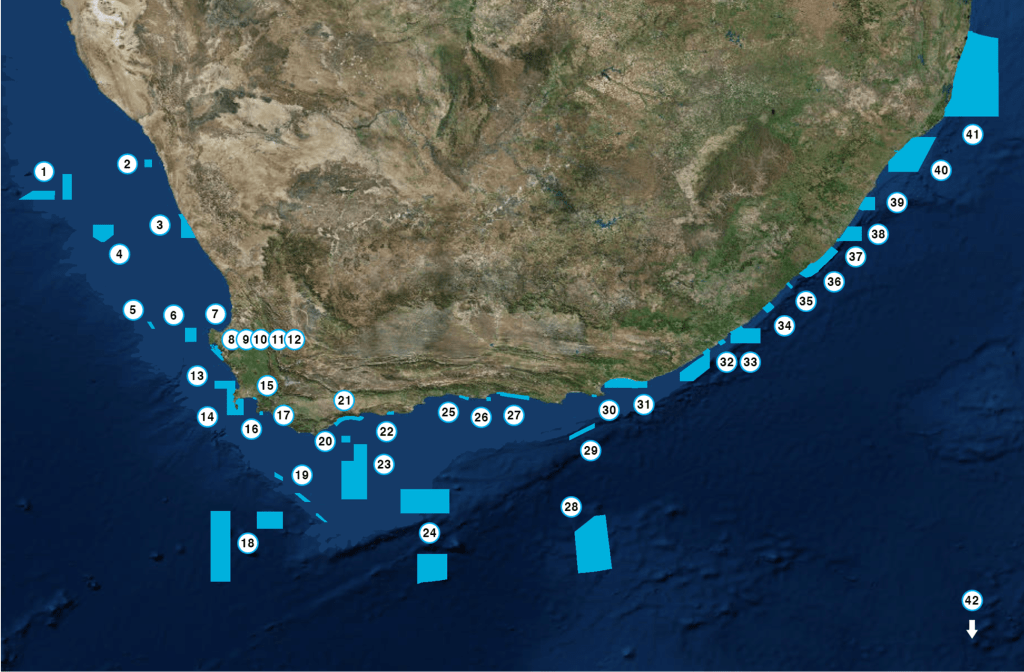
While the MPAs are managed by the Department of the Environment, Forestry and Fisheries, the Hope Spots aim to bring together local scientists and ocean lovers to share their love of the ocean and to stimulate a wave of community engagement, education and support for ocean conservation that will influence leaders and policy makers.
Yet these seeds of hope – so bright, beautiful and full of ocean life – feel particularly fragile, at a time when we are facing a total onslaught of gas and oil exploration in South African waters with twenty active exploration and seven production rights currently.
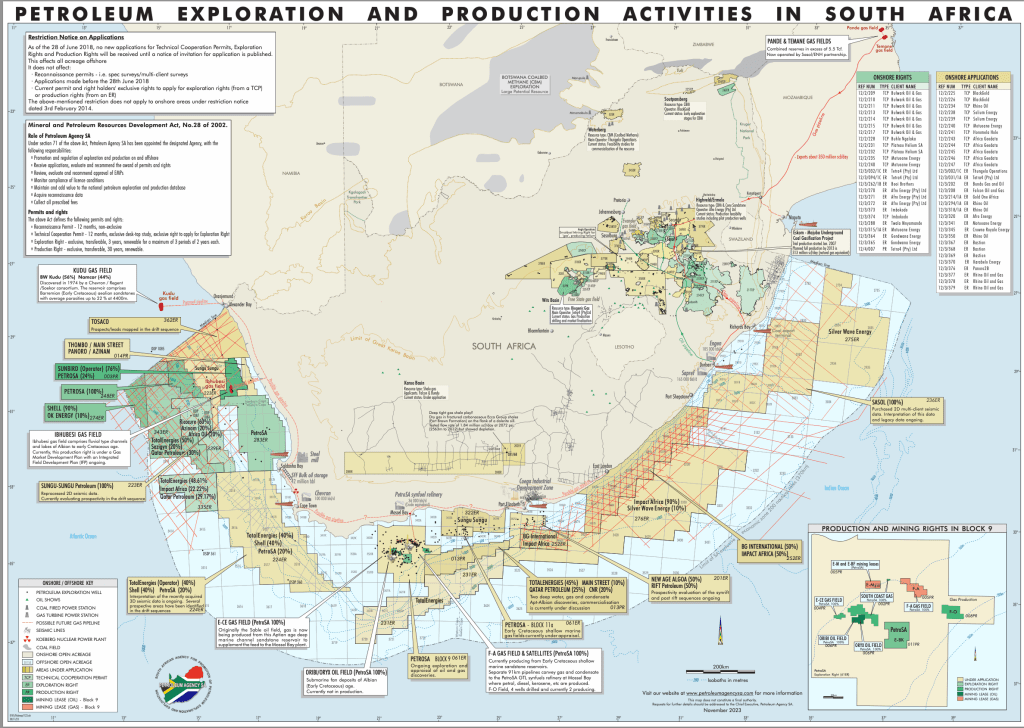
Already the Ramform Atlas is conducting a 127-day seismic survey off the West Coast for Total Energies South Africa – blasting the seafloor with powerful airguns at 250 decibels every 10 seconds – 24/7. A second survey is due to commence off the South Coast from Plettenberg to Algoa Bay.
For me all life is interconnected. So, as we work together to ignite hope and celebrate our love of our oceans, we also need to fight – and fight hard – to protect them. So whatever it is that you love – from the whales and sharks to the dolphins, turtles and myriads of silvery fish (that I find so mesmerising), we need to raise a flag that says Oceans Not Oil.
I kayak off Three Anchor Bay as often as I can, and treasure our fleeting encounters with the humpback and southern right whales, so I worry about the impact of the seismic surveys on these gentle giants of the deep, and how the burning of more fossil fuels is likely to push a rapidly warming ocean and planet beyond their tipping points. Which is why I am a great supporter of Oceans Not Oil’s efforts to protect our coastlines and the central role they have played in raising awareness, mobilising communities and challenging industry and government in an effort to build an economy beyond gas and oil that is fit for our children and children’s children.
There are many ways in which we can raise the flag – starting small – by asking questions and sharing what we know with friends and family. The Oceans Not Oil website is an excellent place to find out more about the impacts of oil and gas on our climate and oceans, the dangers of seismic surveys, and the many ways in which we can get involved: from signing petitions and attending paddle outs and protests, to registering as an interested and affected party and raising our objections to further exploration off our coasts.
But as Dr. Sylvia Earle so rightly says – it is through our love of the ocean that we find solace, and rekindle the feelings of hope, joy and wonder – that inspire us to reach out, speak out, and paddle out together.
#AfricanSeaForest #HopeSpot #MissionBlue #OceansNotOil

 Oceans Not Oil