
About Us

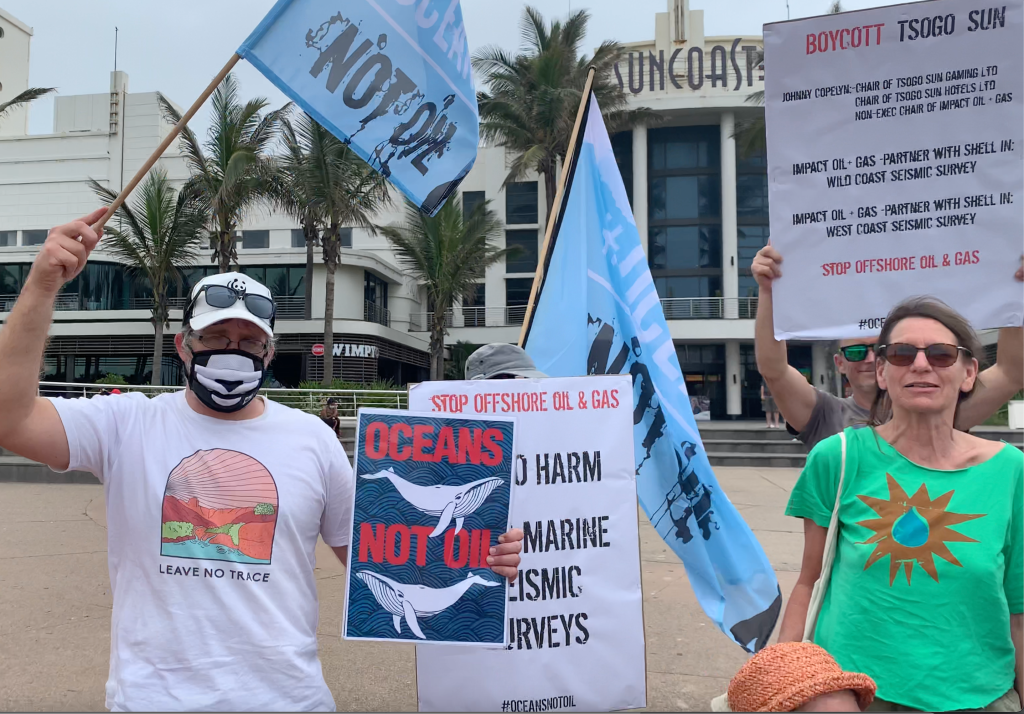
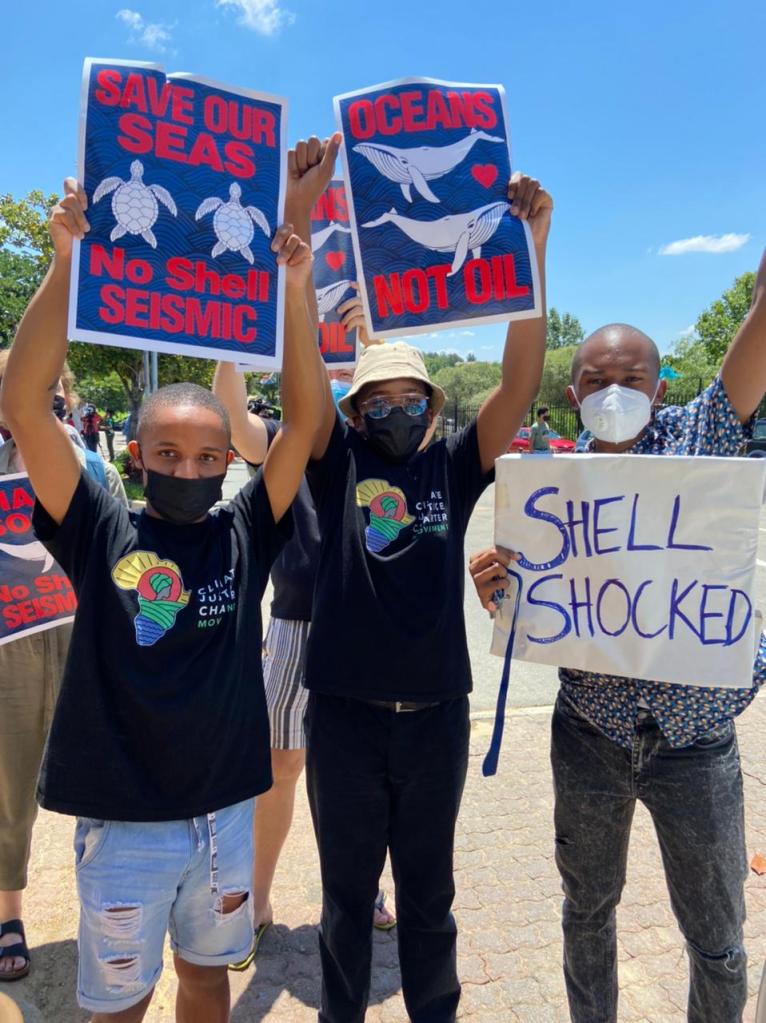
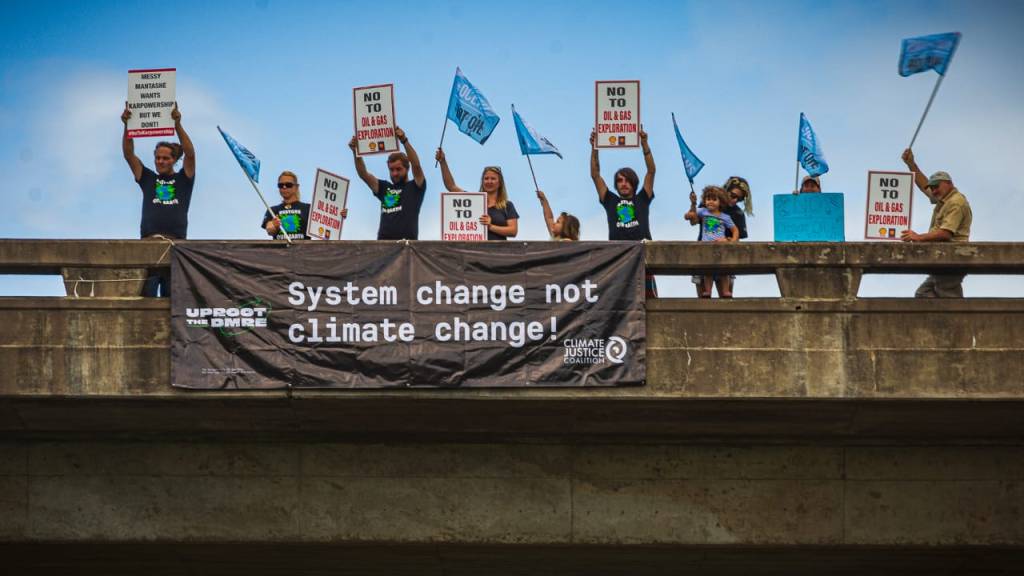
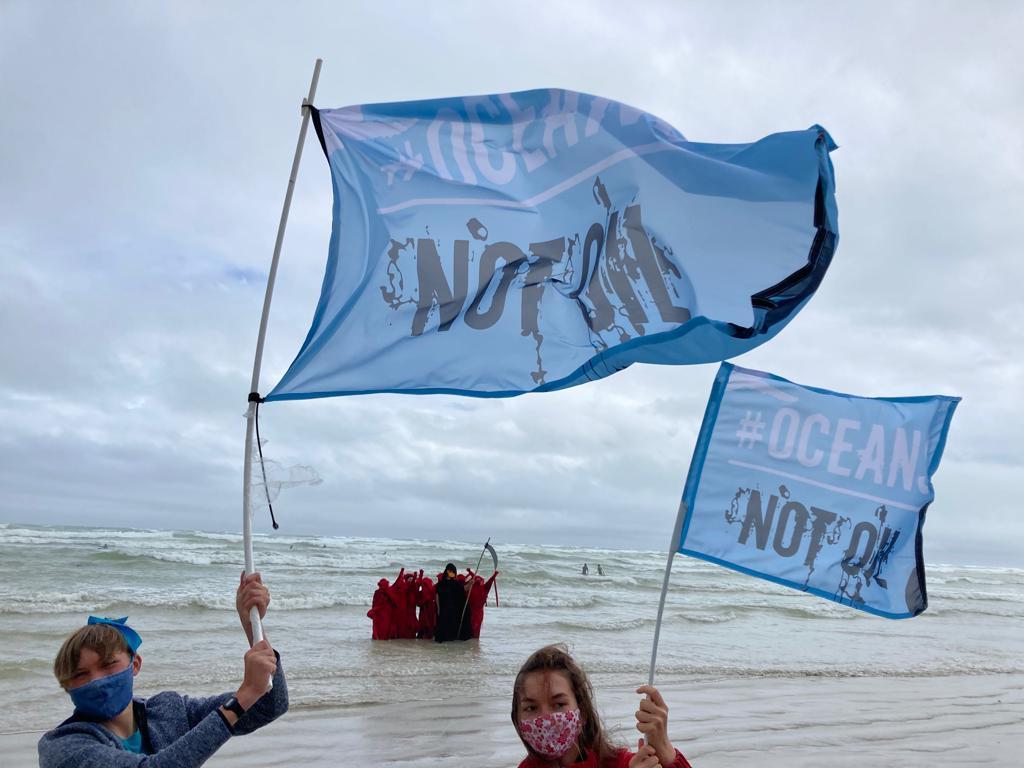
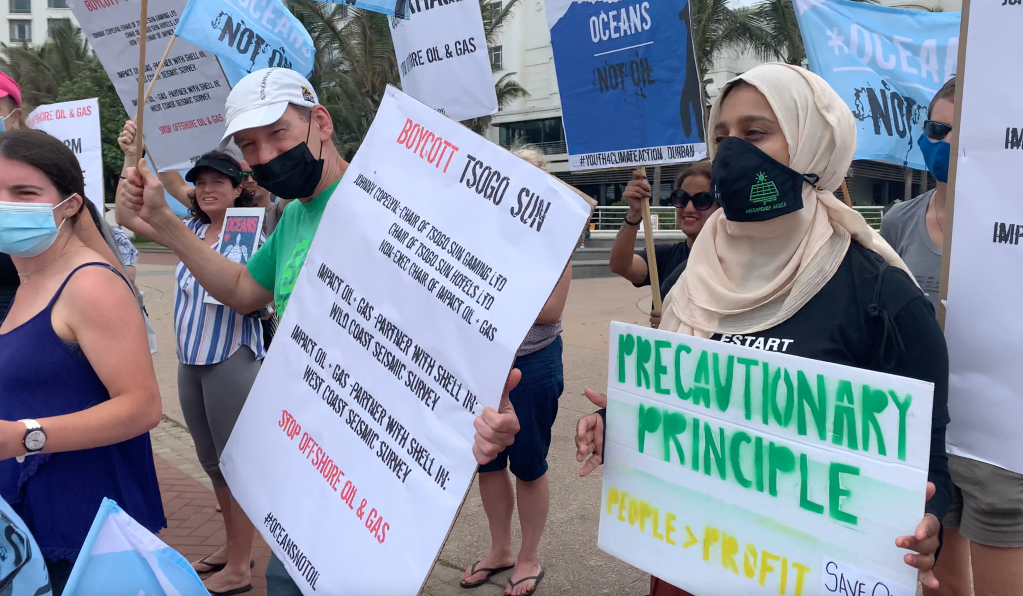
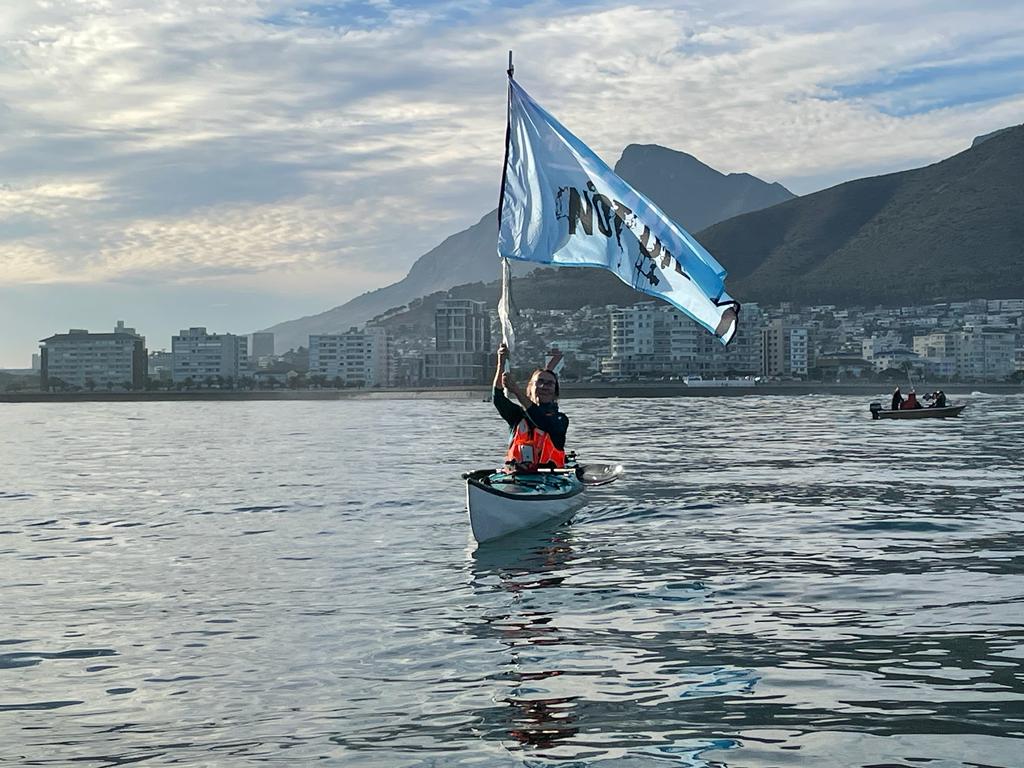
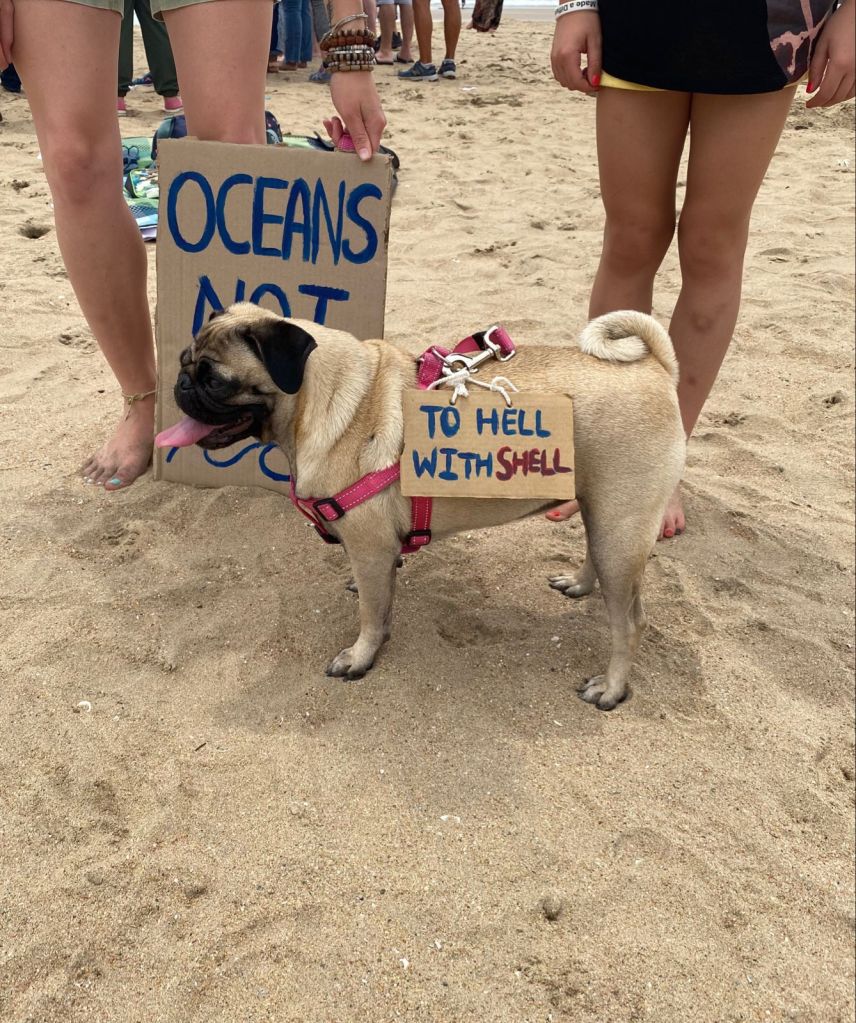
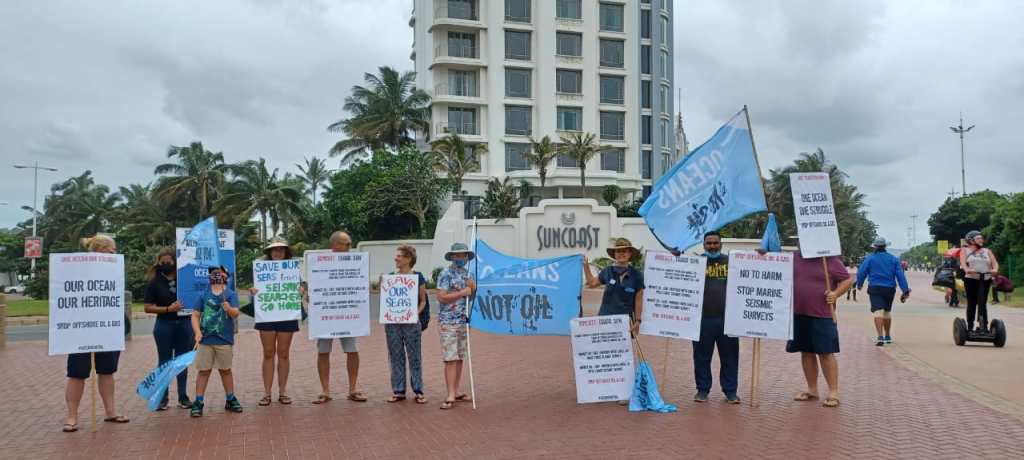
Oceans Not Oil sprang from a coalition of individuals and organisations coming together to stand against South Africa’s continued fossil fuel dependence and call for a moratorium on all offshore oil and gas development. As such, it is a network that facilitates and supports any public voice raised against the impacts of escalating reconnaissance/ prospecting activities in the form of seismic surveys and exploration wells on the coast of South Africa and their consequence to marine life, traditional fishing livelihoods and climate change.
BEGINNINGS
During 2016 a seismic survey was granted an extension into the whale migration period. Coincidental to this was the highest-ever recorded whale and dolphin strandings along our coast, including a mass stranding and a suspected barotrauma to a True’s Beaked whale. Major newspapers along the KwaZulu-Natal coast, conservation organizations, environmental groups and the public expressed concern.
Becoming Visible (2018), a documentary by Janet Solomon, investigated how this extension was permissible and exposed the loopholes in mining legislation, created during the formation of the One Environmental System (2014), meant to “streamline the licensing processes” for mining, and environmental authorisations. The film addresses the lack of due diligence of Operation Phakisa, a governmental economic development program, which has dramatically escalated offshore mining prospecting, exploration and extraction. The accompanying campaign to Becoming Visible has reached far beyond the screen, generating contagious empathy for effected marine life, as well as outrage for systemic injustice, encouraging cross sector partnerships, and audiences to think differently and take action.
NGOs groundWork and the South Durban Community Environmental Alliance (SDCEA) brought together 22 delegates, with 11 organizations represented – including fisherfolk formations, legal, marine science, environmental justice, nature conservation, film production and coastal watchdog organizations as well as individual on-the-ground activists. Several national campaigns supported this resistance, including Life After Coal, anti-fracking initiatives, One Million Climate Jobs, and The South African Food Sovereignty Campaign. Marine-focused campaigns like Only This Much pushed for an increase in official marine protection from a mere 0.4% to at least 5%. Organisations like Coastal Linksand Masifundise worked to secure sustainable livelihoods for small-scale fishers, while the South Durban Community Environmental Alliance led the fight for subsistence fishing rights. All delegates were registered as Interested and Affected Parties (I.&A.P.) in various offshore applications.
Many communities maintained they had been excluded from consultations, and, if they were consulted, all presentations were highly technical and only in English – a theme that has emerged in all court cases to date. There was a strong shared awareness of how the oil and gas sector and state uses sustainability language to justify carbon-intensive development, while they sideline calls for systemic change or anti-extractive or anti-capitalist alternatives.
Each group saw the threat of offshore oil and gas through a different lens—shaped by their relationship with the sea; like past struggles over the loss of ancestral coastal land; the protection of cultural and spiritual heritage; direct experiences living near polluting industries like Sasol, coal mines or oil refineries or involvement in marine conservation work.
Key concerns were:
- Rubber-stamped approvals by agencies like the Petroleum Agency South Africa (PASA) and the Department of Mineral Resources (DMR) ignoring environmental risks.
- Weak oversight, with fears that the mining sector’s non-compliance culture was moving offshore.
- Token public participation, with biased environmental assessments funded by developers.
- Lack of benchmark scientific data on ocean ecosystems to properly assess real impact.
- Poor government coordination across departments.
- No clear oil spill response plan.
“Oceans Not Oil” was the name unanimously chosen for the umbrella body to build a critical mass of activists, legal support and scientists opposing offshore Phakisa and institute a campaign with a core demand being an immediate halt to all oil and gas activities in South Africa’s ocean commons.
As oil and gas exploration applications increased, alliances strengthened among coastal defenders, NGOs, and climate justice movements like the Coastal Justice Network, The Green Connection, Extinction Rebellion, and Greenpeace, mobilising around shared values of justice for frontline communities, environmental and climate justice, secure ocean-based livelihoods, customary marine rights protection, and the right to a healthy ocean for future generations.






Becoming Visible (33mins) is viewable here: https://becomingvisible.africa/the-movie/
 Oceans Not Oil